
When a family member needs memory care, financial concerns can feel overwhelming. Many families assume selling the family home is the only way to afford specialized support for someone living with Alzheimer’s or other forms of dementia. Luckily, there are answers for those wondering how to pay for memory care without selling the house. With the right plan, you can preserve homeownership while ensuring your loved one receives the support they need.
As you begin looking into paying for memory care, you may find more flexibility than expected. From insurance benefits to creative financing strategies, there are practical ways to cover costs while keeping the family home.
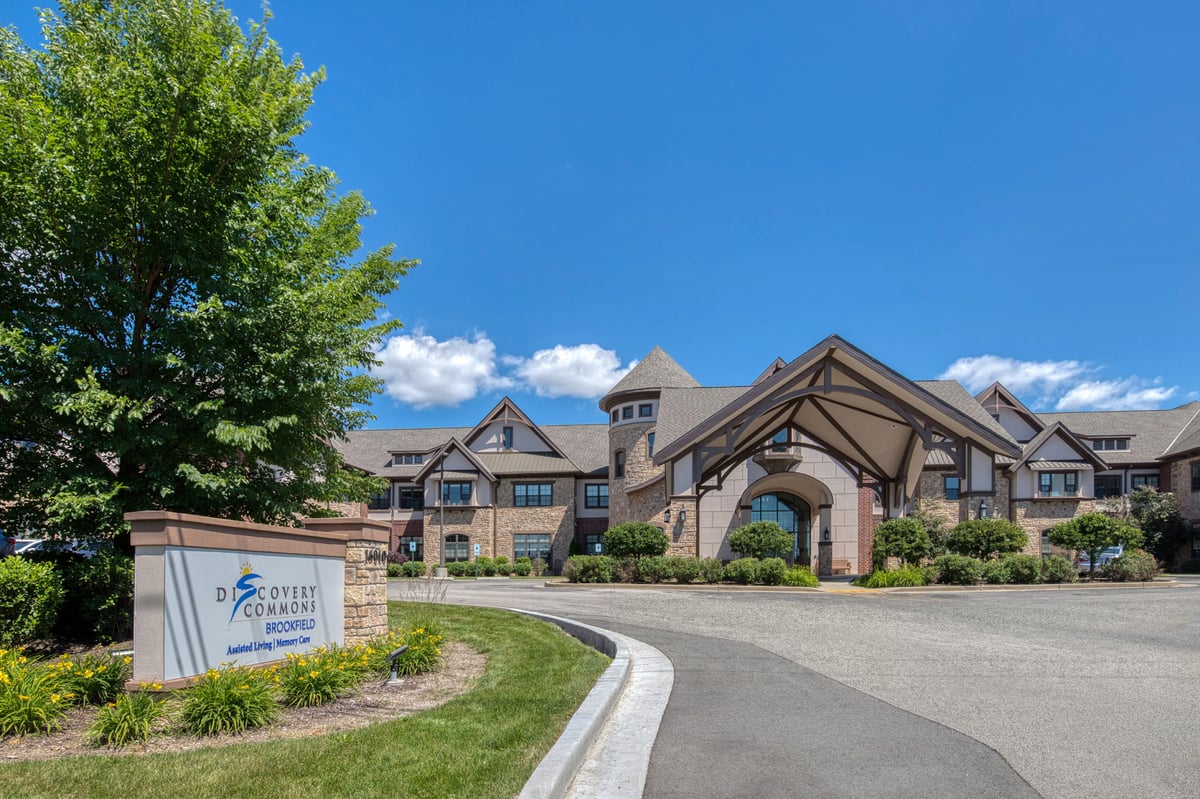
At Discovery Commons Brookfield in Brookfield, WI, families often explore these options while planning a smooth transition into a comfortable, home-like Memory Care setting, designed to support each resident’s daily routine, engagement, and well-being.
Understanding Long-Term Care Insurance Benefits
Long-term care insurance can be one of the most valuable tools for financing memory care without selling the home. Coverage varies, but many policies help offset a significant portion of memory care costs.
If your loved one has a policy, take time to review it carefully. Contact the provider to clarify:
- Daily benefit amounts and how they apply to memory care services
- Elimination periods before coverage begins
- Maximum lifetime benefits available
- Requirements for dementia-related coverage
- Documentation needed to activate benefits
Starting early helps families better understand what is covered and how to plan ahead with confidence.
Leveraging Home Equity Without Selling
Home equity can provide meaningful financial support without requiring a sale. For families looking to afford memory care and keep the house, two common options include reverse mortgages and home equity lines of credit.
A reverse mortgage allows homeowners age 62 and older to access equity as cash while maintaining ownership. This can be especially helpful if a spouse continues living in the home.
A home equity line of credit (HELOC) offers flexible access to funds based on the home’s value. While it requires monthly payments, it can provide ongoing support for memory care payment alternatives.
Exploring Veterans Benefits and Financial Assistance
Veterans and their spouses may qualify for Aid and Attendance benefits, which provide monthly financial assistance for those who need help with daily activities. This is one of the most overlooked forms of memory care financial assistance.
The application process includes documentation of:
- Military service history
- Medical needs
- Financial eligibility
Working with a Veterans Service Officer or elder law attorney can help simplify the process and maximize available benefits. For many families, this support makes it easier to manage costs while keeping the home.
Accessing Life Insurance Cash Value
Some permanent life insurance policies build cash value that can be used to help cover Memory Care expenses. This can be a helpful solution when exploring financing memory care without a home sale.
Options may include:
- Policy loans that do not require credit approval
- Direct withdrawals from accumulated cash value
- Life settlements that convert policies into lump-sum payments
These approaches allow families to tap into existing assets while preserving homeownership.
Bridge Loans and Family Support Agreements
Bridge loans can help cover short-term expenses while waiting for longer-term funding solutions such as insurance claims or benefit approvals. While interest rates may be higher, they provide flexibility during a transition.
Family agreements are another option. Relatives may choose to contribute financially with clear repayment terms in place. Formal documentation helps ensure expectations are understood and protects everyone involved.
Working With Professionals to Build a Plan
Understanding memory care financial assistance options can be complex. Elder law attorneys and financial advisors can help families create a plan that protects assets while meeting care needs.
At Discovery Commons Brookfield, families can also connect with trusted local professionals and explore personalized support through the community’s SHINE® Memory Care program. With a focus on individualized routines, engaging daily programs, and a welcoming, home-like environment, residents receive thoughtful support tailored to their needs.
Finding the Right Path Forward
Paying for memory care does not always require selling the family home. By exploring a mix of financial strategies, benefits, and professional guidance, families can find a path that supports both their loved one’s needs and their long-term financial goals.
If you are weighing your options for how to pay for memory care without selling house assets, Discovery Commons Brookfield is here to help you navigate your options and find a solution that feels right for your family.
Schedule a tour to learn more about SHINE® Memory Care at Discovery Commons Brookfield and how we can support your loved one.